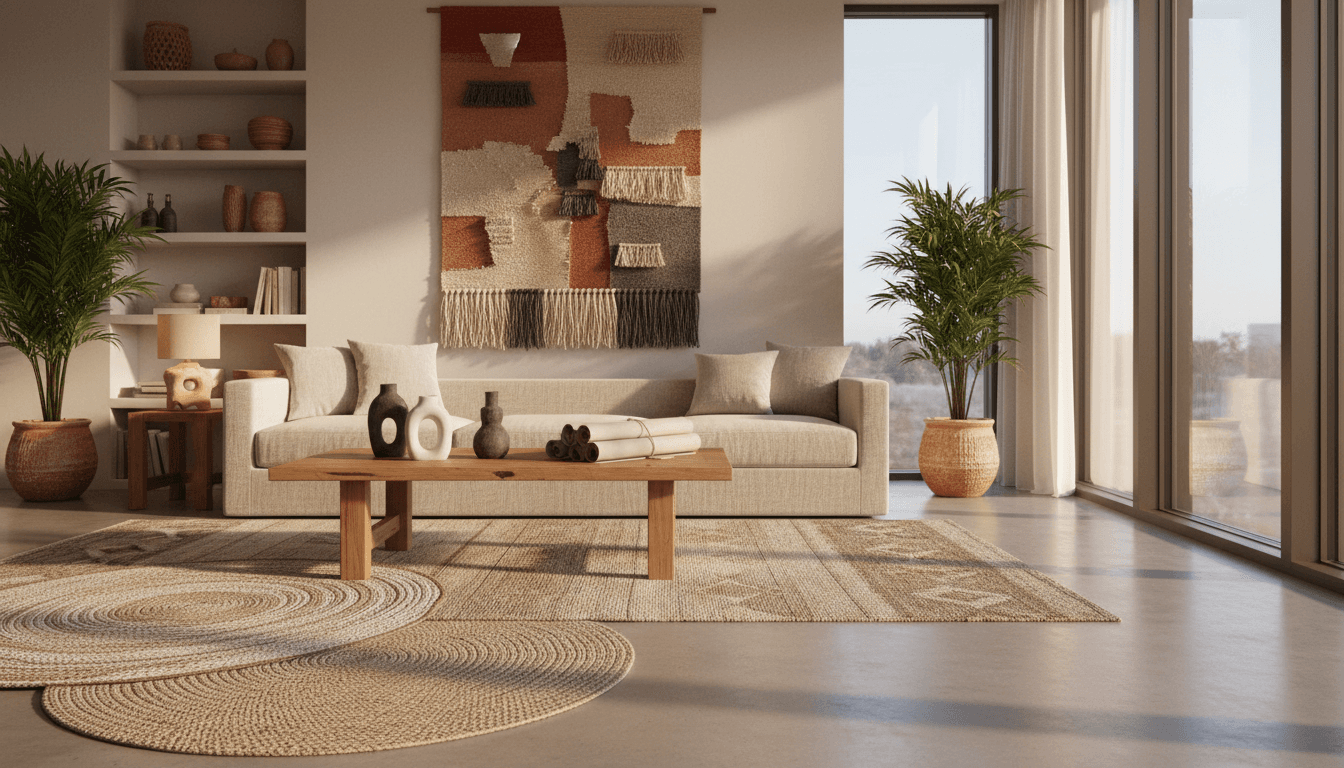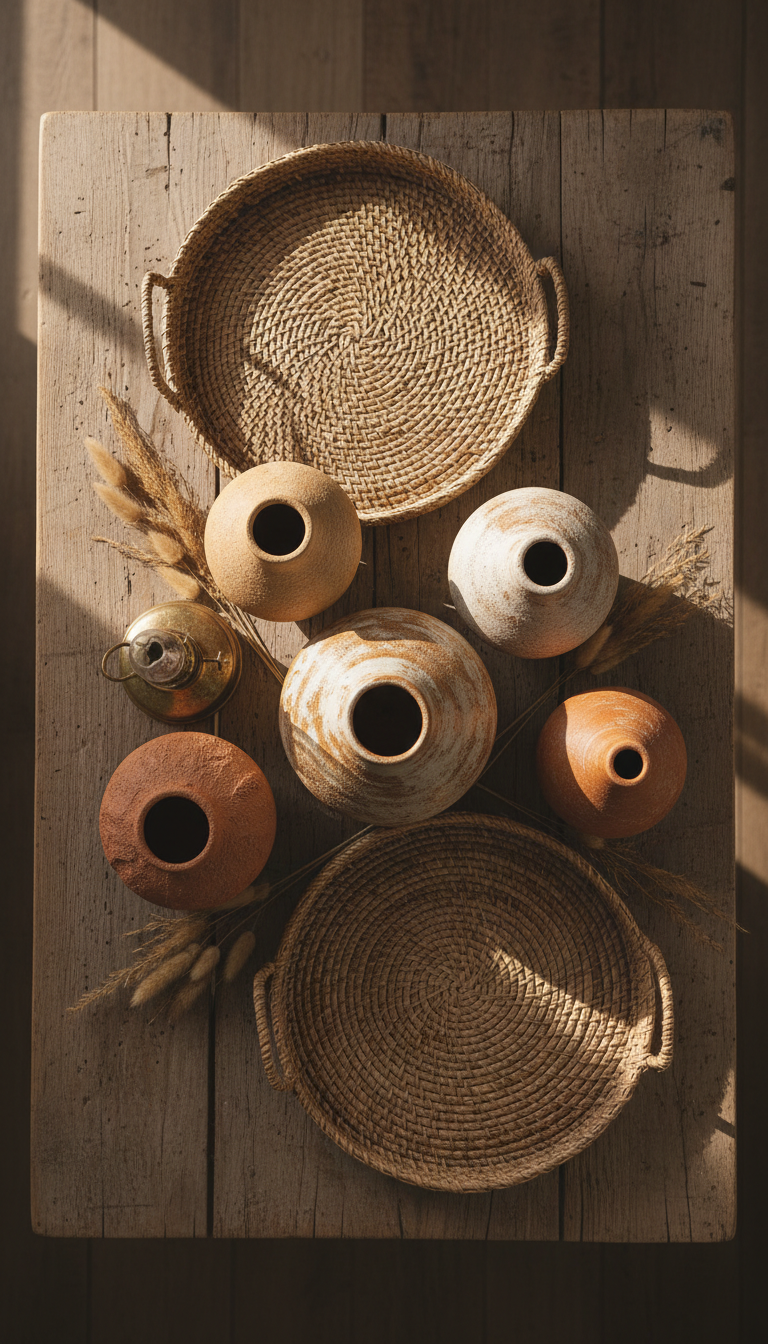
Handmade home decor highlights the unique human touch and generational skills that mass-produced items cannot replicate. Each piece shares a meaningful handmade home decor craftsmanship story that emphasizes sustainability, artistic detail, and thoughtful design. These artisanal elements transform living spaces by prioritizing quality over factory-made perfection.
Walking into a room that feels cold despite being fully furnished is a common frustration for the modern homeowner. When every object comes from a mass production line, the space often lacks the soul and character required to feel like a true sanctuary. You deserve a living environment that reflects a deeper narrative; one where every texture and grain represents a connection to a real person and an ancient tradition. Understanding the craftsmanship story behind your decor is the key to transforming a house into a warm, intentional home. In this exploration, we will delve into the traditional techniques of Nepal and Tibet, clarify the professional distinctions between artisan and handcrafted labels, and explain why 100 percent natural materials are fundamental for quality. You will discover how these global stories create a genuine sense of coziness.
More than an Object: What a Handmade Home Decor Craftsmanship Story Really Means
A handmade home decor craftsmanship story is more than a marketing label; it is a record of the physical and cultural journey an object takes before it enters your home. While the term 'made by hand' is often used as a generic catch-all, we define a story through three essential pillars: the provenance of the material, the lineage of the artisan, and the preservation of traditional techniques.
Mass-produced items are essentially storyless. They are manufactured in high-volume environments where efficiency overrides character, resulting in pieces that lack a soul and a sense of place. In contrast, the pieces we source from India, Nepal, and Tibet are deeply rooted in heritage. The craftsmanship story of a specific clay urn begins with the earth it was pulled from and the specific family lineage that has refined their kilning methods over generations.
When you choose from our curated selection of handcrafted pots, you are acquiring an object with a distinct history. This focus on value over volume means that every slight variation in texture or hue is a signature of the artisan's touch. By understanding the provenance of these materials, from high-altitude wool to hand-forged brass, you can transform a room from a sterile environment into a sanctuary filled with warmth and meaning. This connection to the maker provides a grounding presence that mass-market decor simply cannot replicate. These objects carry the weight of tradition, ensuring that your living space feels intentionally composed rather than merely filled.
From the Himalayas to Your Living Room: Traditional Techniques from Nepal and Tibet
The journey from the high-altitude landscapes of the Himalayas to a contemporary living space in VBR involves more than just transport; it involves a preservation of environment and technique. In the specialized workshops of Tibet, brass vessels are often forged using hand-hammering methods that have remained unchanged for centuries. The artisan works the metal while it is hot, using rhythmic strikes that leave behind a subtle, dappled texture. These indentations are not errors. They are the physical evidence of the force required to shape the material, ensuring no two bowls or urns share the exact same light-reflective quality.
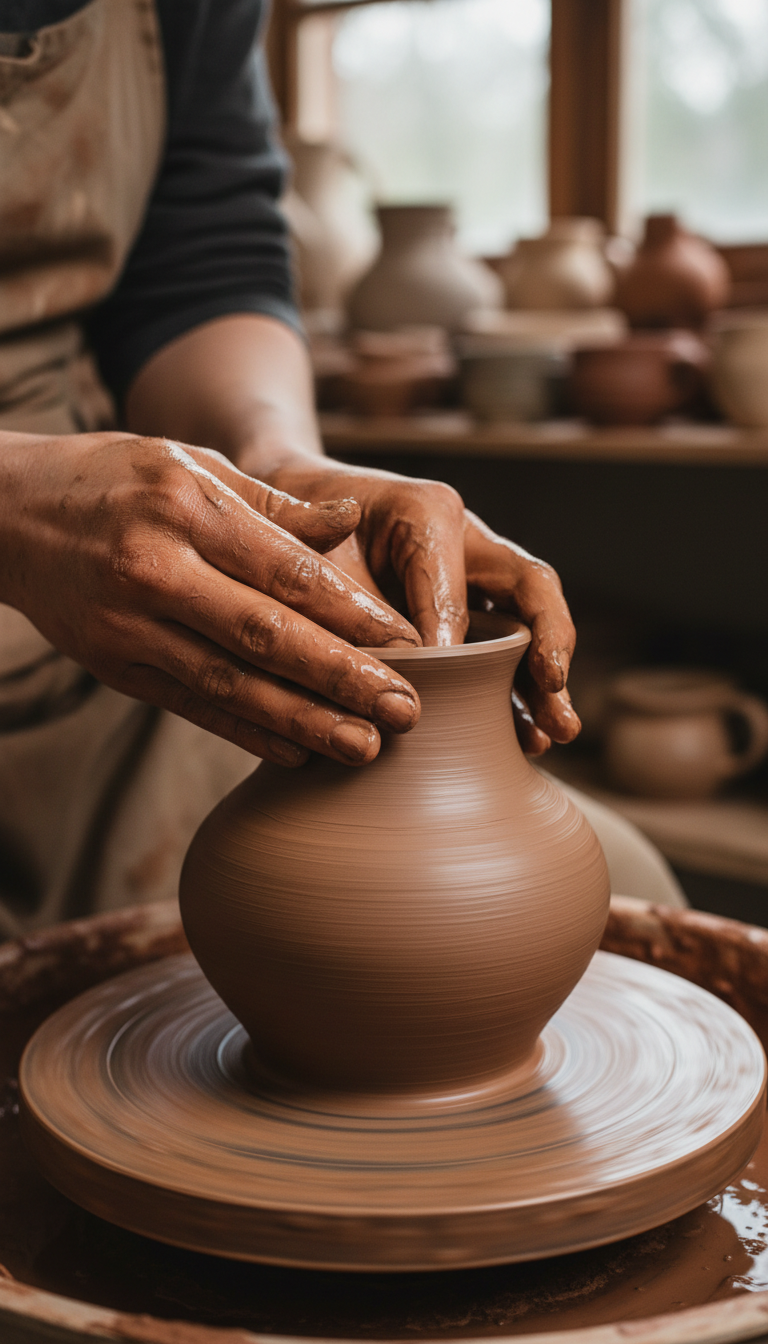
Nepali clay pottery offers a different perspective on the handmade home decor craftsmanship story. The high-altitude environment of the Kathmandu Valley provides a unique mineral composition in the soil, resulting in clay that is exceptionally durable yet porous. A critical step in this region is the practice of sun-drying pieces before they ever reach the kiln. The intense Himalayan sun slowly draws out moisture, preventing the structural cracking that often plagues mass-produced ceramics. Once fired, the pottery often retains the faint signature of the maker, such as a thumbprint near the base or a slight variation in the glaze where the artisan’s grip held the piece.
These signatures of the hand are what distinguish a curated selection of handcrafted pots from factory alternatives. In high-altitude regions, materials are chosen for their resilience and local availability, meaning you are bringing a literal piece of the mountain landscape into your home. The uneven glazes and organic shapes found in our collection are intentional. They represent a dialogue between the artisan and the raw elements of their environment, creating a finished product that prioritizes the warmth of the human touch over the cold precision of a machine.
The Difference Between Artisan, Handmade, and Handcrafted Decor
Understanding these regional nuances is the first step toward appreciating the depth of a handmade home decor craftsmanship story. While the industry often uses terms interchangeably, distinguishing between handmade, handcrafted, and artisan-made clarifies the true value of an object. Handmade serves as the broad umbrella, identifying any item produced by a person rather than an automated machine. Handcrafted goes a step further, describing the application of a specific craft or technique to create functional objects. A curated selection of handcrafted pots implies that the maker used specialized tools and deliberate shaping to ensure the vessel is both aesthetically pleasing and structurally sound.
The term artisan represents the highest tier of this hierarchy. An artisan is a master of a skilled trade, possessing a level of expertise often passed down through multiple generations. At @HOME, we prioritize artisan-made pieces because they offer superior longevity compared to hobbyist assembly. An artisan understands the intrinsic properties of their medium, whether it is the temper of brass or the grain of local timber. This mastery results in pieces with greater structural integrity and refined finishing. Choosing artisan-made decor means investing in a legacy of skill, ensuring your home is filled with objects that are not only unique but built to withstand decades of use.
Why 100 Percent Natural Materials Define the Story
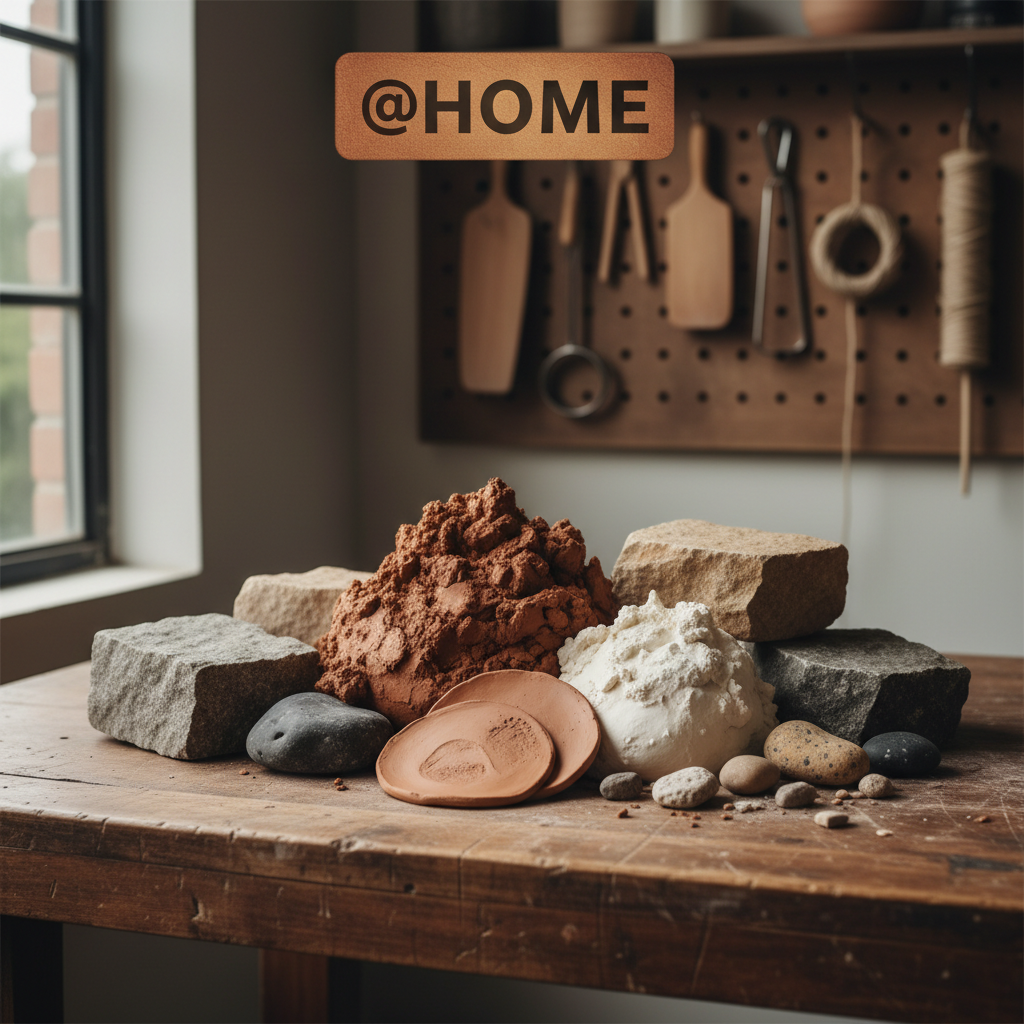
The choice of materials forms the physical foundation of a handmade home decor craftsmanship story. At @HOME, we prioritize raw, 100 percent natural substances like clay, stone, wool, and brass because they possess an inherent honesty that synthetic alternatives lack. These materials are not just selected for their durability; they are chosen for their sensory impact. A natural stone urn or a raw terracotta piece from our curated selection of handcrafted pots offers a tactile grounding effect. In a digital age, the cool, textured surface of stone or the earthy weight of fired clay provides a subconscious sense of calm and stability to a room.
From a practical and ethical standpoint, these materials are intrinsically sustainable. Unlike mass-produced decor that relies on complex chemical polymers and plastic resins, these pieces are biodegradable and low-impact. The artisans we work with in India and Tibet typically source their raw materials from their immediate surroundings; this significantly reduces the carbon footprint associated with industrial extraction and global transport. By avoiding synthetic glazes and harsh chemical finishes, these objects remain safe for your home environment and the planet. This reliance on the local landscape ensures that every piece remains a pure reflection of its origin, connecting your living space to the natural world.
Creating a Sanctuary: How Craftsmanship Brings Warmth and Coziness
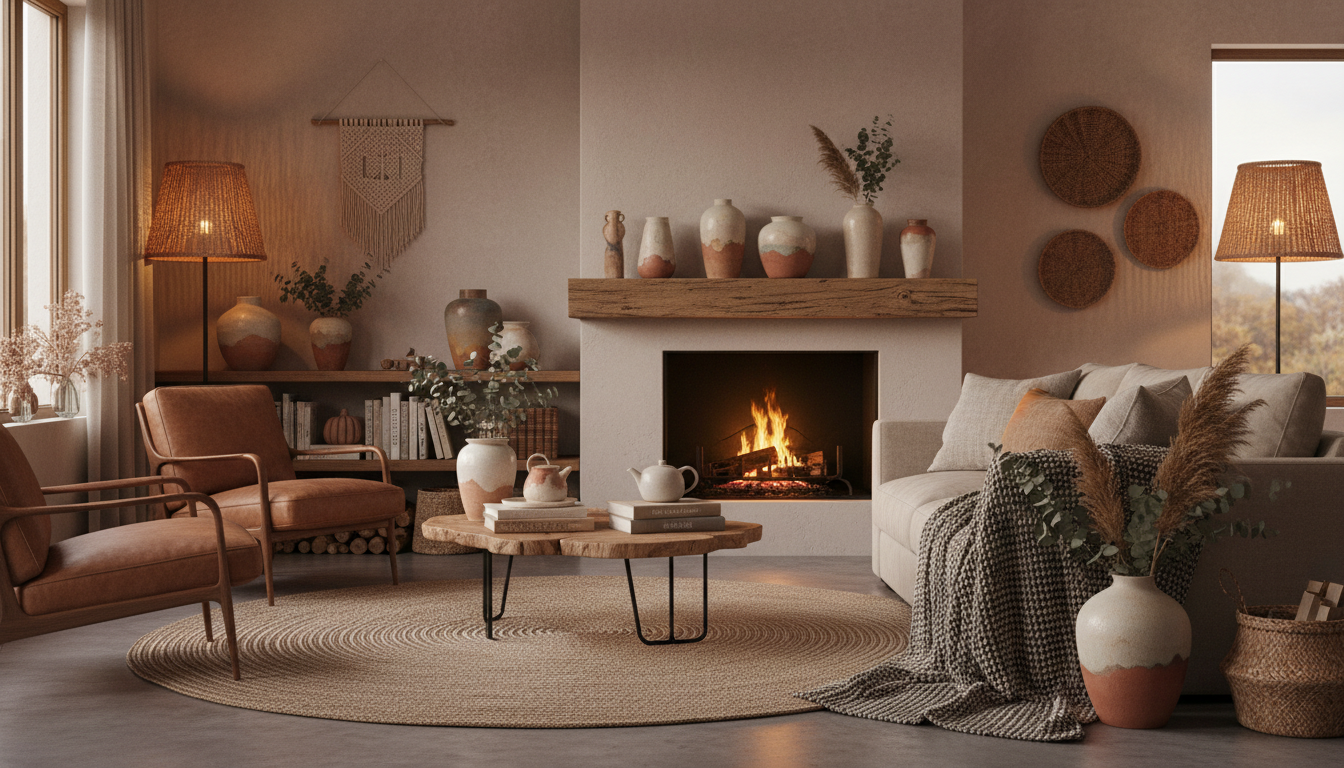
Natural materials provide the foundation, but the human touch within a handmade home decor craftsmanship story is what truly builds a sanctuary. When an object is born from manual labor, it carries a thermal and visual warmth that mass-produced items lack. A hand-carved wooden tray or a hammered lamp base introduces soft, irregular lines that break up the harsh geometry of modern interiors. This softening effect is central to creating a space that feels lived-in rather than staged.
Embracing the concept of wabi-sabi, the Japanese art of finding beauty in imperfection and the passage of time, is key to this atmosphere. A vintage stone urn with a weathered patina or a slightly asymmetrical bowl from our curated selection of handcrafted pots should not be hidden. These pieces invite touch and reflection, grounding the room in a sense of history and permanence that plastic or resin cannot replicate.
To integrate these unique items without creating a sterile museum feel, practice the art of contrast. Pair a highly textured, hand-woven wool rug with a minimalist glass coffee table, or place a rustic Tibetan vessel alongside a clean-lined modern lamp. This juxtaposition allows each piece to breathe while preventing the room from feeling dated. Focus on a cohesive palette to tie these disparate textures together. If the balance feels difficult to achieve, our interior design consultation services can help you navigate color schemes and spatial flow to ensure your handcrafted treasures enhance, rather than clutter, your home.
Bringing Global Stories to VBR: Visit the @HOME Woonwinkel
The transition from design theory to practical application happens the moment you step into a space curated with intention. While digital images capture the form of a vessel, they cannot convey the temperature of a hand-forged brass bowl or the gritty, grounding texture of a sun-dried Nepali urn. Engaging with these objects in person allows the handmade home decor craftsmanship story to fully resonate. In our showrooms, you can trace the artisan’s finger marks on a clay pot or observe how the hammered surface of a Tibetan lamp catches the light, details that define the soul of the piece.
Our locations in VBR and Antwerpen are designed as living galleries rather than static retail environments. Because our curated selection of handcrafted pots and furniture is sourced directly from small artisan clusters in India and across the Himalayas, the inventory is in a constant state of flux. A set of hand-carved trays arriving this week might feature a different wood grain or patina than those from the previous month. This natural evolution ensures that every visit offers a new discovery, allowing you to find the specific piece that speaks to your own home’s narrative.
Beyond the objects, these physical spaces offer a chance to explore our broader services. You can browse our plant station to find the right botanical companion for a new terracotta planter or assemble bespoke gift hampers for a meaningful occasion. If you are looking for a deeper transformation, you can visit our woonwinkel in Antwerpen to see how our unique pieces harmonize within a curated setting, or speak with us about how our interior design services can help you integrate these global stories into your local living environment.
Every piece of handmade decor tells a unique story, transforming a simple house into a soulful sanctuary. By choosing items with character, you infuse your living space with warmth and authenticity that mass produced furniture cannot replicate. If you want expert help curating a home that reflects your personal journey, we invite you to read about our approach to interior design. Our team focuses on blending craftsmanship with comfort to create a space that you will truly love.